Clean Label Food: The $136B Term No One Regulates
Table of Contents
- What Does ‘Clean Label’ Actually Mean? A Plain-English Breakdown
- What Is Clean Label Food?
- Why Is It Everywhere in American Food?
- What the Science Actually Says
- Which Brands and Foods Use Clean Label Claims
- How to Find Clean Label Claims on Any Food Label
- Who Should Be Most Concerned?
- Cleaner Alternatives
- Latest News — 2024 to 2026
- huhuly Verdict
- FAQ
- Three Things to Take Away
What Does ‘Clean Label’ Actually Mean? A Plain-English Breakdown
You picked up a bag of crackers because the front said “No Artificial Preservatives.” You felt good about it. But here is the thing — “clean label” is not regulated by anyone. It means exactly as much as any company decides it means.
According to the University of Georgia College of Agricultural and Environmental Sciences, there is no regulatory or legal definition for “clean label” recognized by the FDA. It is a consumer-driven marketing movement, not a food safety standard. That does not make it worthless, but it does mean you need to know how to read through it.
The global clean-label ingredients market was valued at $136.11 billion in 2025, according to Precedence Research. Brands know what you want to see. The question is whether they are actually delivering it.
What Is Clean Label Food?
“Clean label” is a marketing philosophy, not a scientific term. A product earns the label — informally — when it replaces artificial flavors, synthetic colors, chemical preservatives, and hard-to-pronounce additives with ingredients a regular person might recognize from their own kitchen.
Think “sea salt” instead of “disodium phosphate.” Or “beet juice extract” instead of “Red 40.”
The Institute of Food Technologists (IFT) describes the clean label movement as a formulation strategy: remove the synthetic, replace with natural. The goal is an ingredient list that reads like a recipe, not a chemistry exam. There is no E-number, no FDA code, and no official classification attached to it.
Common phrases used to signal a clean label on packaging include: Natural, Simple, Free From, No Artificial Preservatives, Minimally Processed, and Real Food. None of these terms are legally defined in the United States either.
Why Is It Everywhere in American Food?
Consumer demand drove this. Over 70% of consumers actively seek out products with recognizable ingredients, according to IFT citing 2024 Kerry consumer data. Brands followed the money.
The business logic is simple. A product that looks cleaner on its label commands a premium price and builds brand loyalty. According to the same IFT data, 65% of consumers are willing to pay more specifically for clean label dairy options. That is a powerful incentive for reformulation.
State-level legislative pressure added urgency. Across 2024 and 2025, according to Holland & Knight (July 2025), multiple US states pursued or enacted restrictions on synthetic dyes like Red 40, Yellow 5, and Titanium Dioxide — the exact ingredients clean label initiatives target. Major manufacturers reading the regulatory landscape began reformulating before they were forced to.
While reviewing brand announcements tracked in 2026, the huhuly team found that Kraft Heinz and General Mills both announced plans in June 2025 to phase out artificial dyes by 2027, according to Holland & Knight — signaling that clean label is no longer a niche play but a mainstream business requirement.
What the Science Actually Says
Here is where it gets genuinely complicated.
A 2024 consumer perception review published via IFT (Choi et al., 2024) found broad agreement that clean label foods are perceived as healthier and more natural, directly influencing purchasing behavior. But perception and reality are two different things.
The FDA’s position is consistent: all approved food additives — whether synthetic or natural — are safe when used within specified limits. Many of the synthetic ingredients the clean label movement targets have been studied for decades. The IFT has noted that consumer concern about artificial additives often reflects unfamiliarity with food science rather than evidence of harm.
The substitution problem is real, though. When manufacturers swap a standardized synthetic preservative for a natural botanical extract — like replacing sodium nitrite with celery powder — the dose of active compounds becomes harder to control. The EU’s SCOPAFF has formally classified celery powder as a deliberate food additive for exactly this reason, as noted in EU regulatory records. Variable dosing of naturally occurring nitrates does not mean the product is safer.
Allergen risk is another honest uncertainty. Natural substitute ingredients such as pea protein, natural gums, and celery powder can be hidden allergens for sensitive individuals. Current research on how frequently this occurs in real-world consumption is still limited.
What food scientists do agree on: maintaining microbiological safety and shelf life in dairy and meat products without conventional antimicrobials remains an ongoing formulation challenge, according to IFT’s 2024 reporting.
For a full overview of how the FDA evaluates food additives, see the FDA’s food ingredients and packaging resource.
Which Brands and Foods Use Clean Label Claims
| Brand | Product | Where to Buy | Clean Label Claim | Notes |
|---|---|---|---|---|
| Kraft | Macaroni & Cheese | Nationwide | No artificial preservatives, flavors, or dyes | Reformulated; verified against UGA CAES research |
| Panera Bread | Full menu | Nationwide restaurants | “No-No List” banning artificial preservatives, sweeteners, colors | Policy maintained as of 2026 |
| Campbell’s | Well Yes! Soups | Nationwide | No artificial colors, flavors, or modified starches | Verified via UGA CAES |
| Kellogg’s | Froot Loops & Apple Jacks | Nationwide | Past corporate clean label pledges | Still contains Red 40 and Blue 1 as of Jan 2025, per CSPI |
| Mars | M&Ms & Skittles | Nationwide | Past clean label commitments | Still contains Yellow 5, Yellow 6, and Titanium Dioxide as of Jan 2025, per CSPI |
| Pirate’s Booty | Aged White Cheddar | Nationwide | “No artificial preservatives” | Subject to 2025 class-action lawsuit over synthesized citric acid use |
| Target | Good & Gather Pasta Sauces | Target stores | “No artificial preservatives” | Facing 2024–2025 class-action lawsuits over synthetic citric acid, per Tyson & Mendes |
We cross-referenced these product claims against published legal filings, brand announcements, and CSPI reporting verified as of February 2026.
How to Find Clean Label Claims on Any Food Label
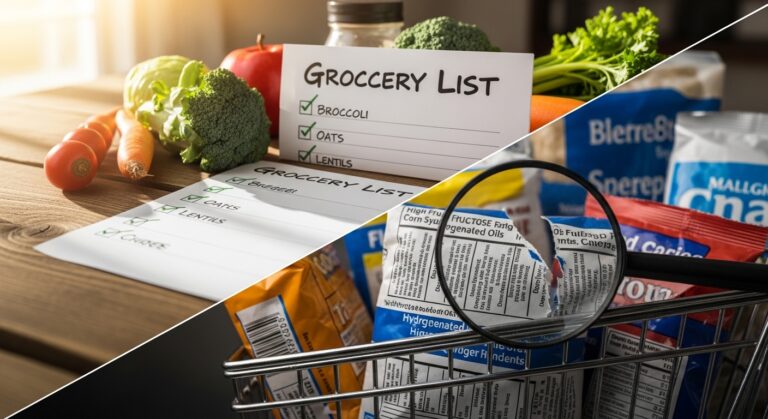
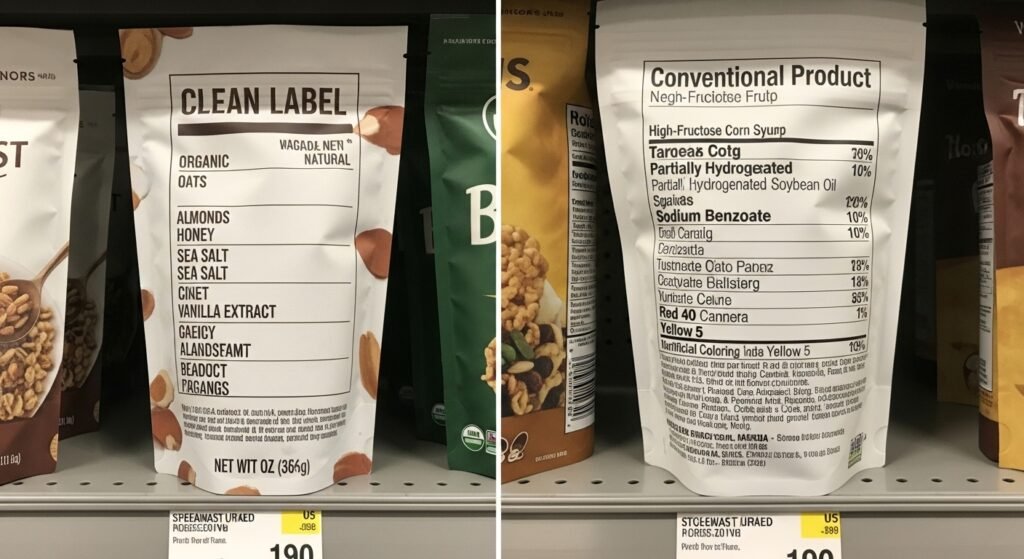
Clean label is not declared — it is implied. No ingredient list will say “clean label.” Instead, brands signal it through short ingredient lists, recognizable words, and prominent “free from” callouts on the front of the package.
The core tactic is vocabulary substitution. “Vitamin E” instead of “tocopherol.” “Carrot juice extract” instead of “artificial color.” The ingredient is sometimes identical in function; only the name has changed to sound more familiar.
Watch for these tricky labeling moves:
- “No Artificial Preservatives” on a product that uses industrially synthesized citric acid. Citric acid sounds like it comes from lemons. Most commercial citric acid is produced via fermentation using black mold (Aspergillus niger). Regulators and brands classify it as “natural.” Lawsuits in 2025 are currently challenging whether that claim holds up.
- “Natural Flavors” as the catch-all. This term can legally cover hundreds of processed compounds derived from natural sources — it does not mean simple or unprocessed.
- Front-of-pack claims vs. ingredient lists. A “No Added Sugar” banner means nothing if the product contains honey, juice concentrate, or date syrup, which are sugars under a different name.
All Names That Signal a Clean Label Claim on Packaging
- No Artificial Preservatives
- No Artificial Colors or Flavors
- Free From [ingredient]
- Simple Ingredients
- Minimally Processed
- Real Food
- Nothing Artificial
- Made with Natural Ingredients
- Short Ingredient List
Who Should Be Most Concerned?
⚠️ WARNING: If you or your child has a diagnosed food allergy, do not rely on a “clean label” claim as a safety signal. Natural substitute ingredients — including pea protein, celery powder, natural gums, and plant-derived colorants — can trigger allergic reactions. Always read the full ingredient list and check the allergen disclosure.
Children are a specific concern. According to Davis Wright Tremaine Law’s analysis of current US labeling trends, some brands apply a “natural” health halo to products that are still high in added sugar, using clean label marketing to appeal to parents while the nutrition facts tell a different story.
Consumers managing conditions through diet — diabetes, kidney disease, hypertension — should also be cautious. A clean label says nothing about sodium content, glycemic load, or saturated fat. “No artificial ingredients” does not mean nutritionally sound.
According to IFT’s 2024 data, 76% of consumers believe clean label foods are healthier. That belief is not always supported by the nutrition panel.
Cleaner Alternatives
If you want to cut through the marketing entirely, these options put real transparency first:
- Fresh produce and whole grains — A single-ingredient food needs no ingredient list. The produce aisle is the original clean label.
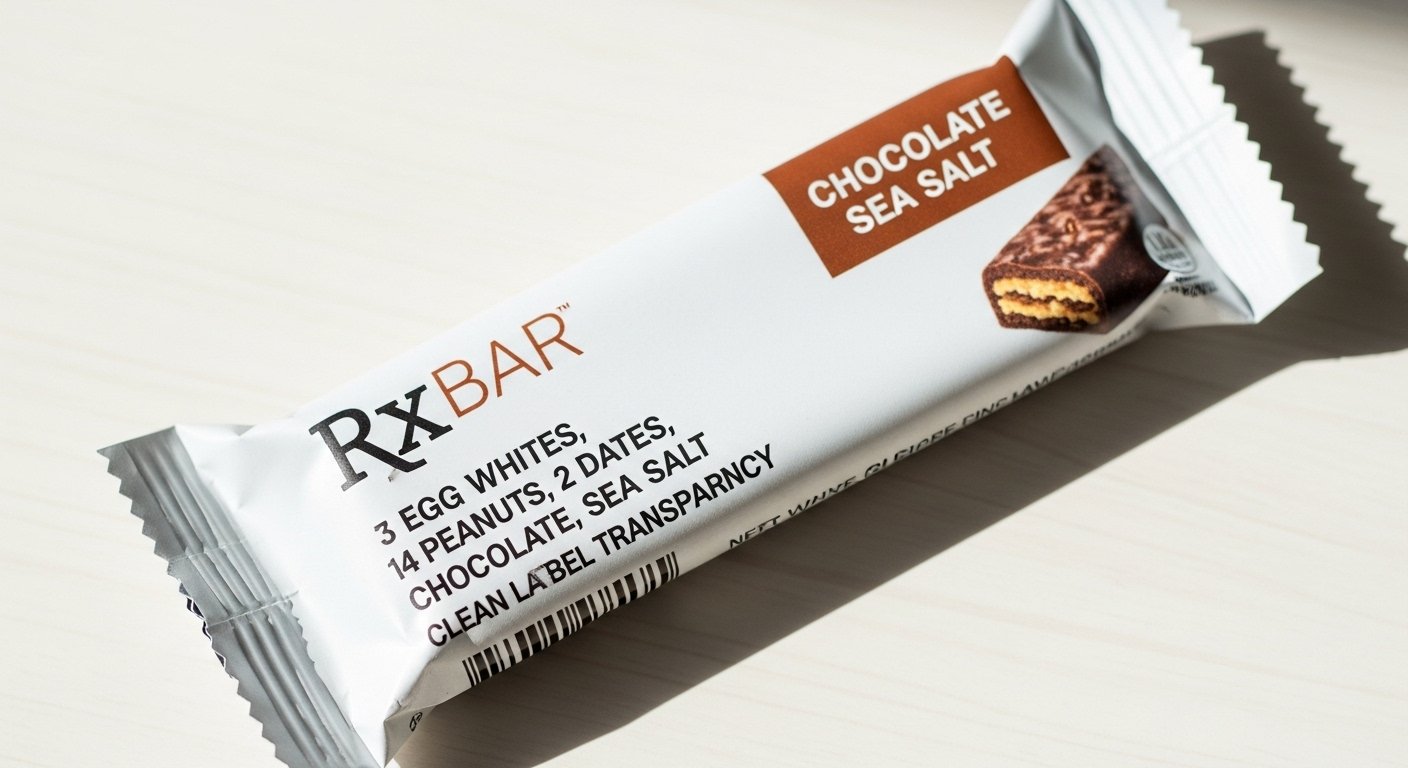
- RxBar (any flavor) — Prints its entire ingredient list on the front of the bar. “3 Egg Whites, 6 Almonds, 4 Cashews, 2 Dates.” No parsing required.
- Simple Mills Crackers — Uses a short blend of nut flours and seeds. Available at most major US grocery chains.
- Homemade seasoning blends — Store-bought spice packets often contain anti-caking agents like silicon dioxide. Mixing your own at home sidesteps that entirely.
- Water with fresh fruit — Avoids both artificial flavorings and the “natural flavors” found in commercially marketed clean-label beverages, which can be heavily lab-processed despite the name.
Latest News — 2024 to 2026
August 29, 2025 — Packaging Digest: Class-action suits against Pirate’s Booty over its “No artificial preservatives” claim are back in court. The dispute centers on whether industrially synthesized citric acid qualifies as an artificial preservative.
July 14, 2025 — Holland & Knight: Kraft Heinz and General Mills both announced in June 2025 they will phase out artificial dyes by 2027 in response to growing regulatory and consumer pressure. Red 40 and similar dyes face heightened FDA scrutiny.
July 14, 2025 — Tyson & Mendes: Target’s Good & Gather pasta sauce line is facing ongoing lawsuits for labeling products “no artificial preservatives” while containing synthetic citric acid.
January 2, 2025 — Center for Science in the Public Interest: Major brands including Kellogg’s and Mars failed to meet their previously announced pledges to remove artificial dyes from US products. The same formulations remain on American shelves that were reformulated for European markets years ago.
huhuly Verdict
Risk Level: Medium Found In: Snacks, dairy, bakery, sauces, frozen foods, beverages Label Names: No Artificial Preservatives / Simple Ingredients / Free From / Natural / Minimally Processed / Real Food / Nothing Artificial
Our Take: “Clean label” is a real consumer movement built on a reasonable idea — shorter, recognizable ingredient lists. But because it has no legal definition, it is also a marketing tool that can mislead. A product can carry a clean label claim and still contain high sodium, added sugar, or naturally-derived allergens. Use clean label as a starting point, not a finish line. Then flip the package over and read the actual label.
FAQ
What does clean label mean in food?
Clean label means a product uses recognizable, minimally processed ingredients with no artificial additives — but the term has no legal or regulatory definition in the United States. The FDA does not define it, and no government body certifies it. Companies use it to signal transparency, but the specific standards vary entirely by brand. Some are genuinely committed to simpler formulations; others use it as a marketing overlay on products that haven’t changed much at all.
Is clean label the same as organic?
No — clean label and organic are two different things. Organic is a federally regulated certification with specific standards enforced by the USDA, covering farming practices, synthetic pesticide use, and GMO restrictions. Clean label is an informal marketing term with no certification process and no regulatory teeth. A product can be certified organic and still contain complex natural additives, or it can be marketed as clean label without any organic certification.
What is an example of a clean label product?
RxBar is one of the most cited examples because it prints its actual ingredients on the front of the package: a short list of whole foods with nothing hidden. Kraft Macaroni & Cheese reformulated to remove artificial preservatives, flavors, and dyes and is often cited as a mainstream clean label success. Panera Bread maintains a public list of ingredients it bans from its menu entirely, which gives its clean label claim more structure than most.
Is natural flavor considered clean label?
It depends on who you ask, and that is the problem. Many brands include “natural flavors” in clean label products because the term sounds familiar and wholesome. However, natural flavors can legally cover hundreds of processed compounds derived from natural sources and produced in industrial facilities. Food scientists note that “natural” in this context describes the source, not the degree of processing. Some stricter clean label frameworks exclude natural flavors; most mainstream brands do not.
Is clean label vs organic — which one is actually better?
Organic is more verifiable because it is federally regulated and independently certified. Clean label, without regulation, relies entirely on a brand’s own definition. That said, they address different things: organic certification focuses on how food is grown; clean label focuses on what ends up in the final product. The most transparent option is a product that is both USDA certified organic and uses a genuinely short, recognizable ingredient list — though those products tend to cost more.
Three Things to Take Away
The phrase “clean label” on a package is a marketing signal, not a safety guarantee. No federal agency defines it, certifies it, or enforces it. That means two products with the same “No Artificial Preservatives” claim can have very different ingredient stories underneath.
If you have a food allergy or a specific nutritional concern, a clean label claim does not replace reading the actual ingredient list and nutrition facts panel. Natural substitute ingredients can introduce unexpected allergens, and a short ingredient list says nothing about sugar, sodium, or calorie content.
The best action you can take today: flip the package over. A genuinely cleaner product will have an ingredient list that matches its front-of-pack claims when you actually read it — not one that relies on you trusting the label without checking.
Want this kind of breakdown in your inbox? The huhuly newsletter covers one ingredient or food label claim every week, in plain English.
Reviewed by the huhuly Editorial Team huhuly’s food transparency team reviews ingredient labels, monitors FDA regulatory updates, and tracks changes in US food manufacturing. All claims are verified against official brand ingredient lists and regulatory databases before publication. Last updated: February 2026 | Fact-checked: Yes | Sources: 11 cited
This article is for informational purposes only and does not constitute medical advice. Consult your healthcare provider before making dietary changes based on this information.
Acheta Domesticus: 13 Brands & 6 Label Names to Know
More in Clean Eating
You might also find these useful