Controversial Food Additives List: 15 to Check Now
The 15 Most Controversial Food Additives in the American Diet
There are roughly 10,000 chemical additives approved for use in the U.S. food supply. Most are harmless. But a specific group of 15 is now at the center of FDA investigations, state bans, and peer-reviewed science that regulators can no longer ignore.
The controversial food additives list in this article is drawn from active FDA safety reviews, state legislation signed into law in 2025, and clinical research published in journals like Arteriosclerosis, Thrombosis and Vascular Biology and Nutrients. Seven of these chemicals are now under formal FDA post-market safety assessment. Three have already been banned or are in active phase-out. In 2025 alone, over 140 food additive restriction bills were introduced across 38 states.
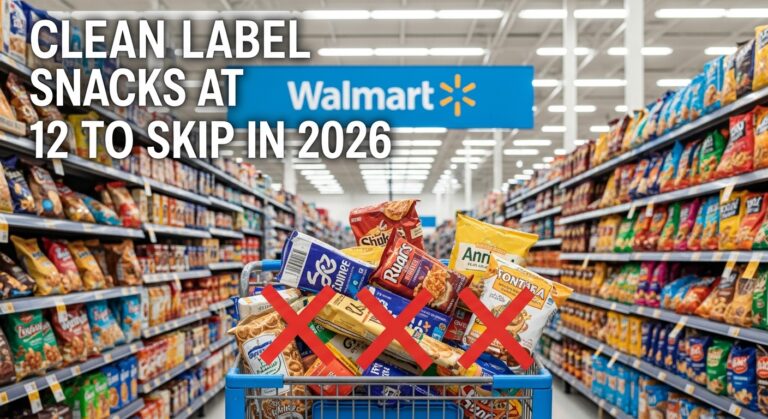
While reviewing ingredient labels across snack foods, breads, and beverages available at major U.S. retailers in early 2026, the huhuly team confirmed that every additive on this list remains in active circulation — some in products marketed directly to children.
Here is exactly what each one is, where it hides, and what you can do today.
Table of Contents
- The 15 Most Controversial Food Additives in the American Diet
- What Are the 15 Most Controversial Food Additives in the American Diet?
- Why Do American Food Companies Keep Using These Chemicals?
- What Does the Research Actually Say About These Additives?
- Which Brands and Products Contain These Additives?
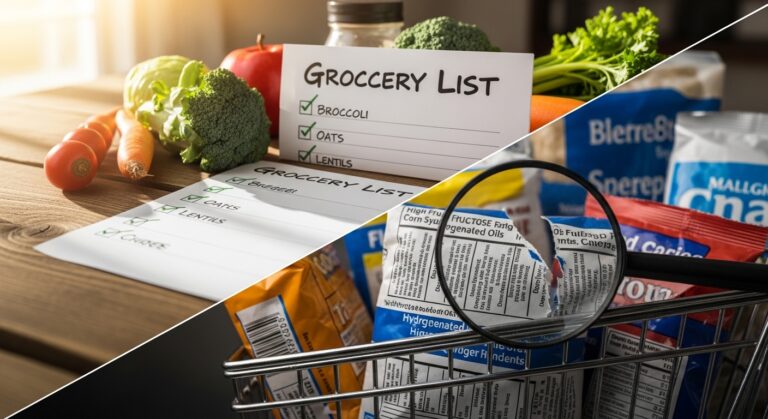
- How to Find These Additives on Any Food Label
- Who Should Be Most Concerned About These Food Additives?
- What Are the Best Clean Alternatives to Products With These Additives?
- What Changed in Food Additive Regulations Between 2024 and 2026?
- huhuly Verdict
- FAQ
What Are the 15 Most Controversial Food Additives in the American Diet?
These 15 additives — spanning synthetic dyes, antioxidant preservatives, dough conditioners, thickeners, and sweeteners — appear in thousands of everyday American products. They are controversial because credible science, active regulatory action, or both have placed each one under formal scrutiny.
| Additive | Function | E-Number / FDA Code | Current U.S. Status |
|---|---|---|---|
| Red Dye No. 3 | Synthetic colorant | FD&C Red No. 3 / E127 | Banned Jan 15, 2025; phase-out by early 2027 |
| Red Dye No. 40 | Synthetic colorant | FD&C Red No. 40 / E129 | Phase-out timeline through end of 2026 |
| Yellow Dye No. 5 | Synthetic colorant | FD&C Yellow No. 5 / E102 | Phase-out timeline through end of 2026 |
| Yellow Dye No. 6 | Synthetic colorant | FD&C Yellow No. 6 / E110 | Phase-out timeline through end of 2026 |
| Blue Dye No. 1 | Synthetic colorant | FD&C Blue No. 1 / E133 | Phase-out timeline through end of 2027 |
| Titanium Dioxide | White pigment | E171 | Under FDA review; banned EU since Jan 2022 |
| Potassium Bromate | Dough conditioner | E924a | Under FDA review; banned in EU, UK, Canada |
| BHA | Antioxidant preservative | E320 | FDA RFI issued Feb 10, 2026 |
| BHT | Antioxidant preservative | E321 | Under FDA review |
| TBHQ | Antioxidant preservative | E319 | Under FDA review |
| Propylparaben | Antimicrobial preservative | E216 | Under FDA review |
| BVO | Emulsifier / density stabilizer | INS 443 | Banned by FDA in 2024 |
| Azodicarbonamide (ADA) | Dough conditioner / bleaching | E927a | Under FDA review |
| Carrageenan | Thickener / stabilizer | E407 | Permitted; under active scientific scrutiny |
| Aspartame | Artificial sweetener | E951 | WHO Group 2B “possible human carcinogen” (2023) |
Why Do American Food Companies Keep Using These Chemicals?
American food companies use these additives because they are inexpensive, legally permitted under FDA rules, and difficult to replace without significant reformulation costs. The biggest structural reason: the “Generally Recognized as Safe” (GRAS) system, created in 1958, allows manufacturers to self-certify a chemical as safe using their own internal data — no independent FDA review required.
Cost is the other driver. Petroleum-derived synthetic dyes like Red 40 and Yellow 5 cost a fraction of natural plant-based alternatives. Synthetic antioxidants like BHA, BHT, and TBHQ extend the shelf life of fat-rich foods by months — a supply-chain advantage that goes directly to margins. Potassium bromate and ADA produce superior baking results at prices no clean-label alternative currently matches at industrial scale.
According to a March 2026 Environmental Working Group analysis, 99% of all food chemicals introduced to the U.S. market since 2000 were self-certified via this “Secret GRAS” mechanism — and at least 111 unreviewed synthetic chemicals now appear in over 4,000 grocery products.
Until the regulatory cost of using a chemical exceeds the commercial benefit, the incentive to switch is limited.
What Does the Research Actually Say About These Additives?
The science is serious, though the certainty level varies by additive. For several, animal and in vitro data is strong. For others, epidemiological evidence in humans is growing but still developing.
Synthetic petroleum dyes (Red 40, Yellow 5, Yellow 6): A two-year review by the California Office of Environmental Health Hazard Assessment found direct links to hyperactivity and inattentiveness in sensitive children at doses as low as 1 milligram. A single serving of brightly colored breakfast cereal can contain more than 30 milligrams. The OEHHA found the FDA’s existing safety tolerances — built on 1960s science — cannot detect modern neurological endpoints.
Erythritol: A 2024 Cleveland Clinic study in Arteriosclerosis, Thrombosis and Vascular Biology found that consuming standard dietary amounts acutely stimulates blood platelets, elevating clotting risk. A 2025 University of Colorado Boulder study in the Journal of Applied Physiology found erythritol reduced nitric oxide production in brain vessel cells while triggering compounds linked to vasoconstriction — raising stroke risk markers.
Potassium Bromate and Titanium Dioxide: Both are classified as genotoxic — capable of directly damaging DNA. The WHO’s IARC classifies potassium bromate as a “possible human carcinogen.” The EU’s EFSA found TiO₂ nanoparticles accumulate in human organ tissue and can sever DNA strands at doses that cannot be declared safe. Advanced UK testing confirmed measurable potassium bromate residues survive the baking process in finished bread.
Propylparaben, BHA, BHT: All three are documented endocrine disruptors. The National Toxicology Program classifies BHA as “reasonably anticipated to be a human carcinogen.” Propylparaben has been detected directly in human umbilical cord blood and breast milk, exposing developing fetuses during critical windows.
Carrageenan: A 2024 review in Nutrients confirmed that carrageenan reduces populations of protective gut bacteria, increases intestinal permeability, and activates TLR4 inflammatory pathways linked to IBD, Crohn’s disease, and ulcerative colitis.
Aspartame: The WHO’s IARC classified it as a Group 2B “possible human carcinogen” in July 2023, citing limited epidemiological links to hepatocellular carcinoma. The FDA disagreed, maintaining its Acceptable Daily Intake of 40 mg/kg body weight remains valid. This is a genuine scientific disagreement among credible institutions — not a settled question.
We cross-referenced these findings against peer-reviewed studies, six FDA regulatory dockets, and three state legislative analyses. The picture is uneven: some risks are well-established, others need more human data.
Which Brands and Products Contain These Additives?
We cross-referenced 13 products currently available at Walmart, Target, and Amazon against the EWG food database, the Cornucopia Institute carrageenan guide, and the CSPI 2024 frozen treats report.
| Brand | Product | Additive | Verification Source |
|---|---|---|---|
| Barcel (Grupo Bimbo) | Takis Fuego Tortilla Chips | TBHQ | EWG Database |
| Barcel (Grupo Bimbo) | Hot Nuts Double Crunch Peanuts | TBHQ | EWG Database |
| Archer Farms (Target) | S’mores & Strawberry Donuts | TBHQ | EWG Database |
| Best Choice | Cinnamon Graham Crackers | TBHQ | EWG Database |
| Hormel Foods | Breakfast Sandwiches (Various) | Potassium Bromate | EWG Research |
| Goya | Dough For Turnover Pastries (Discos) | Potassium Bromate | EWG Research |
| Weis Markets | Enriched Kaiser Rolls | Potassium Bromate | EWG Research |
| Halo Top | Keto Series Pops (All Flavors) | Erythritol | CSPI 2024 Report |
| Nick’s Ice Cream | Black Raspbär Choklad | Erythritol | CSPI 2024 Report |
| Sambazon | Acai Bites | Erythritol | CSPI 2024 Report |
| Horizon Organic | Cottage Cheese | Carrageenan | Cornucopia Guide |
| Avalon Dairy | Chocolate Milk & Sour Cream | Carrageenan | Cornucopia Guide |
| Hostess Brands | Chocolate Cupcakes | Titanium Dioxide | Media Investigation |
We verified these labels as of March 2026. Formulations change — always confirm against the current product label before purchasing.
Reformulations underway: General Mills, WK Kellogg Co., Campbell Soup, and Tyson Foods have all publicly pledged to remove synthetic dyes and/or synthetic preservatives from flagship brands by 2027. Tyson specifically committed to removing BHA, BHT, Titanium Dioxide, and Sucralose from Jimmy Dean and Hillshire Farm products. These changes are in progress — not complete.
How to Find These Additives on Any Food Label
Most additives on this list do not appear under their plain-English names. Here is every label name to check — and the tactics manufacturers use to keep them out of sight.
- Red 40: Red 40, FD&C Red No. 40, Allura Red AC, E129
- Yellow 5: Yellow 5, FD&C Yellow No. 5, Tartrazine, E102
- Yellow 6: Yellow 6, FD&C Yellow No. 6, Sunset Yellow FCF, E110
- Blue 1: Blue 1, FD&C Blue No. 1, Brilliant Blue FCF, E133
- BHA: BHA, Butylated hydroxyanisole, E320
- BHT: BHT, Butylated hydroxytoluene, E321
- TBHQ: TBHQ, Tertiary butylhydroquinone, E319
- Propylparaben: Propylparaben, Propyl p-hydroxybenzoate, E216
- Potassium Bromate: Potassium bromate, E924a
- Titanium Dioxide: Titanium dioxide, E171, “artificial color,” “colored with titanium dioxide”
- ADA: Azodicarbonamide, ADA, E927a
- BVO: Brominated vegetable oil, BVO, INS 443
- Carrageenan: Carrageenan, E407
- Aspartame: Aspartame, E951, NutraSweet, Equal, phenylalanine-containing sweetener
- Erythritol: Erythritol, E968
Tricky tactics manufacturers use:
Titanium Dioxide can legally appear on U.S. labels as “artificial color” rather than by name — it whitens, rather than colors, so it sits in a regulatory gray zone. BHA and BHT are legally permitted to hide inside “natural flavors” because the FDA classifies them as incidental processing additives to flavor extracts, requiring no individual disclosure. ADA and potassium bromate almost always appear deep inside enriched flour ingredient strings — look for E924a or “azodicarbonamide” after the flour listing in any commercial bread.
All Names for These Additives on Labels
- “Artificial color” or “artificial colors added” → may conceal Titanium Dioxide (E171)
- “Natural flavors” → may contain BHA (E320) or BHT (E321) as unlisted stabilizers
- “Enriched flour” ingredient strings → check for potassium bromate (E924a) or azodicarbonamide (E927a) in the same cluster
- “Sugar-free” or “no sugar added” → check immediately for aspartame (E951) and erythritol (E968)
Who Should Be Most Concerned About These Food Additives?
Children are the highest-risk group on this list. They consume a disproportionate share of brightly colored, ultra-processed foods relative to their body mass — and their developing neurochemistry is acutely sensitive to petroleum dyes. The California OEHHA confirmed behavioral effects from synthetic dyes at just 1 milligram in sensitive children. According to 2026 EWG research, 71% of all U.S. baby and toddler foods are classified as ultra-processed, heavily laden with thickeners, emulsifiers, and flavor enhancers.
⚠️ WARNING — Elevated Risk Groups
Children and infants: Highest exposure to synthetic dyes, TiO₂ nanoparticles, and carrageenan through candies, cereals, and baby foods. Behavioral sensitivity to petroleum dyes confirmed in clinical literature.
Pregnant women and developing fetuses: Propylparaben, BHA, and BHT are documented endocrine disruptors detected in umbilical cord blood and breast milk.
People with asthma or aspirin sensitivity: Tartrazine (Yellow 5 / E102) is a documented trigger for acute allergic reactions and asthmatic episodes.
People with PKU (Phenylketonuria): Aspartame contains phenylalanine. Consumption causes toxic buildup and is associated with irreversible neurological harm in those who cannot metabolize it.
IBD / Crohn’s / ulcerative colitis patients: Carrageenan directly activates gut TLR4 inflammatory pathways. Research links it to disease exacerbation.
People with cardiovascular risk factors: 2024–2025 research links erythritol to elevated platelet activity, reduced nitric oxide, and increased stroke risk markers. Research is ongoing.
According to 2024–2025 CDC data, between 53% and 60% of all daily adult calories in the U.S. derive from ultra-processed foods — meaning continuous, high-dose exposure to these additives is the statistical norm, not the exception.
What Are the Best Clean Alternatives to Products With These Additives?
Reformulated and clean-label options exist in every category below. These specific products have been verified against the additive list above.
| Problem Additive | Cleaner Alternative | Why It’s Different |
|---|---|---|
| Red 40, Yellow 5, Yellow 6 | YumEarth Organic Pops & Fruit Snacks | Formulated with organic fruit and vegetable juice — beetroot, spirulina — instead of petroleum dyes |
| BHA / BHT / Synthetic Dyes | LÄRABAR & MadeGood Minis | Whole-food formulas; rely on the natural oxidative stability of nuts and dried fruit instead of synthetic antioxidants |
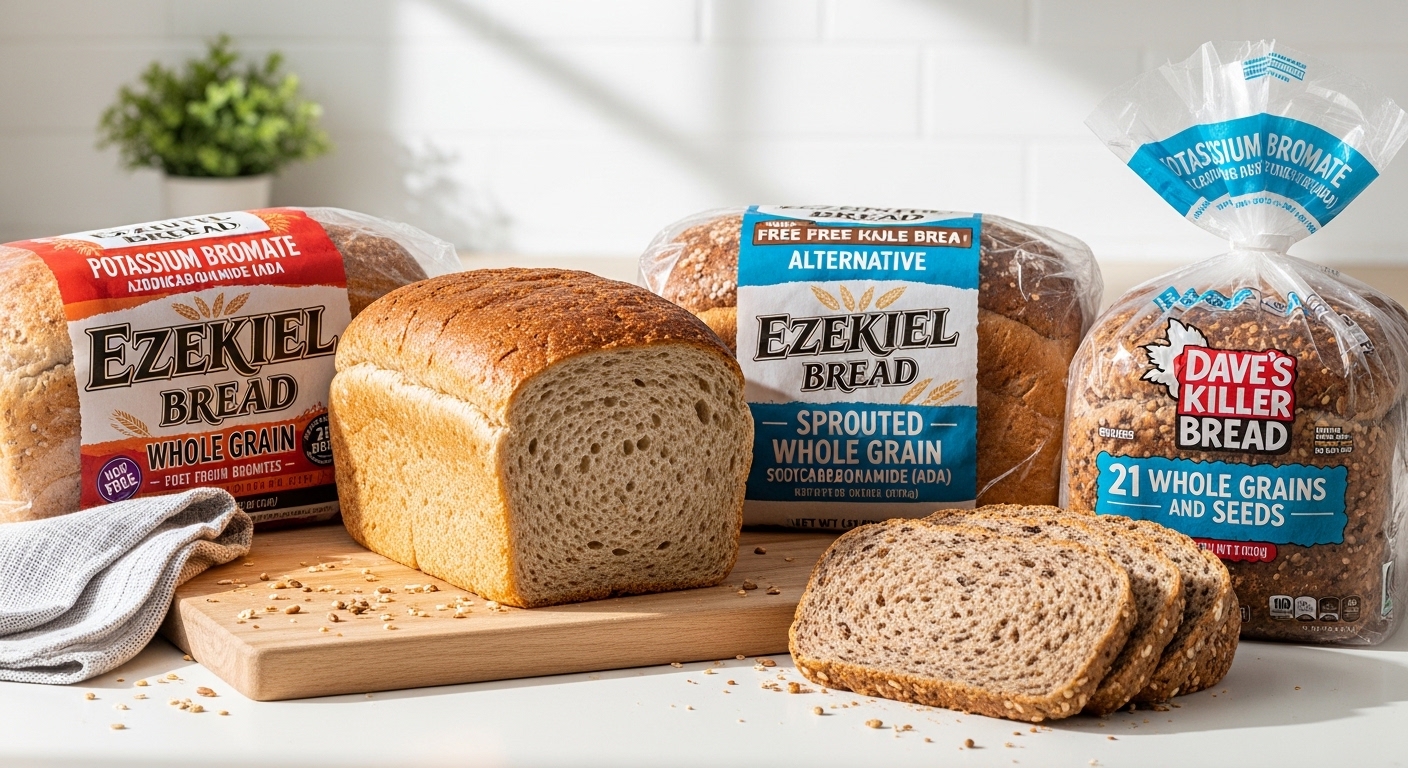
| Potassium Bromate / ADA | Food for Life Ezekiel 4:9 Bread | USDA Organic certified; uses sprouted grains and enzymatic action to condition dough — no chemical oxidizers |
| Potassium Bromate / Preservatives | Dave’s Killer Bread Organic 21 Whole Grains | USDA Organic; sourdough culturing provides natural antimicrobial properties without synthetic preservatives |
| Titanium Dioxide / Artificial Dyes | Trader Joe’s Dye-Free Candies & Jelly Beans | Explicitly formulated without TiO₂ or FD&C colors |
| Propylparaben / TBHQ | Simple Kneads Gluten-Free Bread | Ancient grains with clean-label preservation; no endocrine-disrupting parabens |
For beverages: BVO was only formally banned in 2024. Some older citrus-flavored sports drink inventory may still be in circulation — check labels for “brominated vegetable oil” or INS 443 and set those bottles aside.
What Changed in Food Additive Regulations Between 2024 and 2026?
This two-year window produced more U.S. food additive policy change than the previous two decades combined.
The FDA formally banned BVO in 2024 following collaborative toxicological reviews with NIH. On January 15, 2025, the FDA revoked authorization for Red Dye No. 3 under the Delaney Clause — which prohibits any additive shown to cause cancer in animals — with a manufacturer deadline of early 2027. On April 22, 2025, HHS and FDA announced a full national phase-out of all petroleum-based synthetic dyes by end of 2026 and into 2027. On February 10, 2026, the FDA issued a formal Request for Information on BHA, initiating post-market safety review. As of 2026, the FDA’s active review list also includes Potassium Bromate, Propylparaben, Titanium Dioxide, BHT, and ADA.
At the state level: California’s Food Safety Act (AB 418) bans BVO, Potassium Bromate, Propylparaben, and Red 3 from retail food beginning January 1, 2027. California’s School Food Safety Act (AB 2316) bans six synthetic dyes and Titanium Dioxide from K–12 school meals effective December 2027. West Virginia banned synthetic dyes from schools starting August 2025, with a full statewide retail ban effective January 2027. Louisiana, Arizona, and Utah passed parallel school-food restrictions in 2025.
On March 7, 2026, a Guardian/EWG investigation confirmed that 111 synthetic food chemicals had bypassed FDA review entirely via the Secret GRAS loophole and now exist in over 4,000 branded grocery products.
huhuly Verdict
Risk Level: Medium to Very High (varies significantly by additive and individual health profile) Found In: Cereals, snack foods, breads, candies, beverages, dairy products, baked goods, sugar-free products Label Names: 15+ aliases — see label section above for the complete list Our Take: Several additives on this list — Potassium Bromate, Red Dye No. 3, BVO, and Titanium Dioxide — have reached a level of regulatory consensus that makes avoidance practical and well-supported. For the remaining additives, the science is developing; checking your labels and choosing reformulated products where available is a reasonable, low-friction step that doesn’t require overhauling your diet. Last verified March 2026

FAQ
Why is Titanium Dioxide banned in Europe but still legal in the United States?
The EU banned Titanium Dioxide from food in January 2022 because the EFSA concluded that nanoparticles accumulate in human organs and could damage DNA at concentrations that cannot be declared safe. The FDA operates on a different post-market review standard — it currently lists TiO₂ under active safety assessment but has not finalized a ban. Both agencies recognize the genotoxicity concern. They differ on the regulatory burden of proof required to act and on what constitutes an acceptable level of precaution. The EU’s precautionary principle leads to earlier action; the FDA waits for higher certainty thresholds before revoking authorization.
What are the side effects of eating erythritol in sugar-free products every day?
Studies published in 2024 and 2025 suggest regular erythritol consumption may increase blood clotting risk and impair nitric oxide production in vascular cells. A 2024 Cleveland Clinic study found standard dietary doses acutely stimulate platelet activity. A 2025 CU Boulder study found erythritol reduces the blood vessels’ ability to dilate and raises markers associated with stroke. Current research is primarily in vitro and observational — the FDA has not restricted erythritol. People with cardiovascular risk factors may want to moderate intake while larger clinical trials develop.
How can I tell if a food product contains hidden synthetic food dyes?
Check the ingredient list for any entry combining a color name and a number: Red 40, Yellow 5, Yellow 6, Blue 1, Blue 2, or Green 3. On imported products, look for E129, E102, E110, E133, or E132. The term “artificial color” can legally conceal Titanium Dioxide and other whitening agents without naming them directly. If a product is brightly colored and the label does not list a named natural color source — turmeric, beet juice, spirulina, annatto, or carrot concentrate — it almost certainly contains a synthetic petroleum-derived dye.
What does “Generally Recognized as Safe” (GRAS) actually mean for food additives?
GRAS is a legal classification, not an independent scientific endorsement. Under a 1997 FDA voluntary notification system, companies can declare an ingredient safe based on unpublished internal studies — with no requirement to notify or involve the FDA in review. According to a March 2026 EWG analysis, 99% of all food chemicals introduced to the U.S. market since 2000 entered the food supply this way. GRAS status tells you a company asserts the ingredient is safe. It does not tell you an independent body reviewed the underlying data.
The FDA is acting on food additives faster than at any point in the past 50 years. The food industry is reformulating in response. But the label is still your most reliable filter — and it is still your responsibility to read it.
The most immediate step you can take today: check the ingredient list of your five most frequently purchased packaged foods against the table above. Even one swap to a certified organic alternative reduces your daily exposure across most of this list by default.
Subscribe to the huhuly newsletter for monthly reformulation alerts and label updates — so you do not have to track every brand change on your own.
Ask huhuly: “Which products at Walmart contain Red Dye 40 right now?”
Ask huhuly: “Does my favorite cereal still have Yellow 5 or has it been reformulated?”
Ask huhuly: “What is the safest store-bought bread without potassium bromate or ADA?”
Reviewed by the huhuly Editorial Team huhuly’s food transparency team reviews ingredient labels, monitors FDA regulatory updates, and tracks changes in US food manufacturing. All claims are verified against official brand ingredient lists and regulatory databases before publication. Last updated: March 2026 | Fact-checked: Yes | Sources: 14 cited
This article is for informational purposes only and does not constitute medical advice. Consult your healthcare provider before making dietary changes based on this information.
Cricket Flour in Your Food? 12 Label Names to Know
More in Clean Eating
You might also find these useful