Cricket Flour Brands 2026: 7 Using It Right Now
Cricket Flour in American Food?
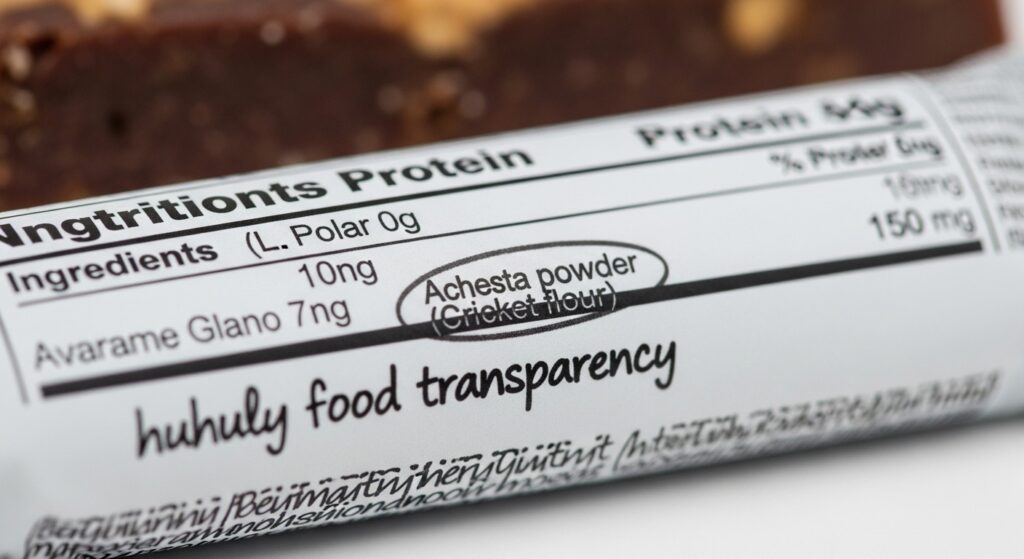
You picked up a protein bar at Target, scanned the ingredient list, and spotted something unfamiliar: Acheta powder. That’s cricket flour — and it’s in more American food products than most people realize. This article breaks down which brands are using it in 2026, exactly how to find it on a label, and what the current science says about who should be cautious.
The cricket flour brands 2026 landscape is growing fast, but labeling practices make it easy to miss. Here’s what you need to know.
Table of Contents
- Cricket Flour in American Food?
- What Is Cricket Flour?
- Why Is It in American Food?
- What the Science Actually Says
- Which Brands and Foods Contain It?
- How to Find It on Any Food Label
- Who Should Be Most Concerned?
- Cleaner Alternatives
- Latest News — 2024 to 2026
- huhuly Verdict
- FAQ
- Three Things to Do Right Now
What Is Cricket Flour?
Cricket flour is the milled, dried powder of the house cricket (Acheta domesticus). What is it actually made of?
It’s produced from farm-raised crickets that are fasted for 24 hours to empty their digestive tracts, then flash-frozen and roasted at high temperatures to kill pathogens. The bodies are then defatted to improve shelf stability and milled into a fine powder.
Nutritionally, it’s dense. Research published in peer-reviewed food science journals confirms that Acheta domesticus powder contains between 56 and 68 grams of protein per 100 grams dry weight, with all nine essential amino acids — making it a complete protein. Its essential amino acid index (EAAI) falls between 0.96 and 1.02, comparable to many animal proteins.
The exoskeleton contributes chitin, a fiber-like compound at roughly 15.7% of the powder’s composition. Chitin functions as a prebiotic for some people — but also as an inflammatory trigger for others. The powder also delivers meaningful levels of zinc, iron, potassium, calcium, and B12.
It has no dedicated E-number in Europe or a specific FDA food additive code in the US. Regulators treat it as a food ingredient or dietary supplement — which has significant implications for how it’s reviewed before hitting shelves.
Why Is It in American Food?
Why are food companies adding cricket flour to products Americans already buy?
Three reasons drive the trend: protein density, sustainability claims, and cost efficiency at scale.
Cricket farming requires twelve times less feed than beef to produce equivalent protein, four times less than pork, and roughly one gallon of water per pound of protein compared to approximately 2,000 gallons for beef. That gap in resource efficiency is the core argument food companies make to investors and sustainability-focused retailers.
Functionally, cricket flour works well in processed foods. Its proteins emulsify effectively, improving texture in gluten-free baked goods and giving protein bars a smoother bite. For manufacturers reformulating products toward higher protein content without adding bulk or changing mouthfeel dramatically, Acheta powder is technically attractive.
While reviewing insect protein food products USA available at major online retailers in early 2026, the huhuly team confirmed that cricket flour has moved well beyond novelty channels. It now appears in mainstream protein bar lines, tortilla-style chips, baking flours, and ready-to-mix protein powders sold via Amazon, Whole Foods, and specialty health stores.
The market is growing accordingly. According to IMARC Group, the US insect protein market is projected to grow at a compound annual growth rate of 18.97% through the near term, driven largely by ESG investment mandates and the environmental efficiency of insect farming.
What the Science Actually Says
Is cricket flour actually safe to eat, and what do studies really show?
For most adults without shellfish or dust mite allergies, the toxicological picture is currently reassuring. The European Food Safety Authority’s Panel on Nutrition, Novel Foods and Food Allergens concluded that house cricket powder shows no cytotoxic effects on human cell lines even at high testing concentrations, supporting its approval as a Novel Food under EU Regulation 2022/188.
Heavy metal concerns have been studied. Research published in Molecules (2024–2026) found measurable trace levels of cadmium, arsenic, lead, and mercury in commercially farmed crickets — but all concentrations remained below FDA and EU food safety limits. The studies concluded an absence of non-carcinogenic risk for standard consumption levels.
The serious and unresolved concern is allergens.
Crickets share pan-allergen proteins — primarily tropomyosin and arginine kinase — with crustaceans and dust mites. These trigger immune responses that are clinically indistinguishable from shellfish anaphylaxis in sensitive individuals. A 2024 clinical trial published in the Journal of Nutritional Science and Vitaminology identified paramyosin as a newly documented allergen in cricket protein, discovered after participants with no prior food allergies developed acute allergic dermatitis after eating cricket-fortified bread.
Compounding this, a July 2024 study from James Cook University in Australia found that standard commercial crustacean allergen test kits routinely fail to detect the cross-reactive allergens present in insect-based foods. Products could pass standard allergen screening while still containing proteins capable of triggering anaphylaxis in shellfish-allergic consumers.
One additional caveat: the standard Kjeldahl method used to calculate protein content on food labels artificially inflates cricket flour’s protein numbers because it cannot separate protein-derived nitrogen from the nitrogen locked in chitin. True net protein utilization is somewhat lower than the label suggests, though still favorable compared to most plant proteins.
Current research on long-term daily consumption of cricket protein in human populations remains limited.
Which Brands and Foods Contain It?
Which brands actually use cricket flour in products sold in the US right now?
| Brand | Product | Category | Where to Buy | Contains Cricket Flour? |
|---|---|---|---|---|
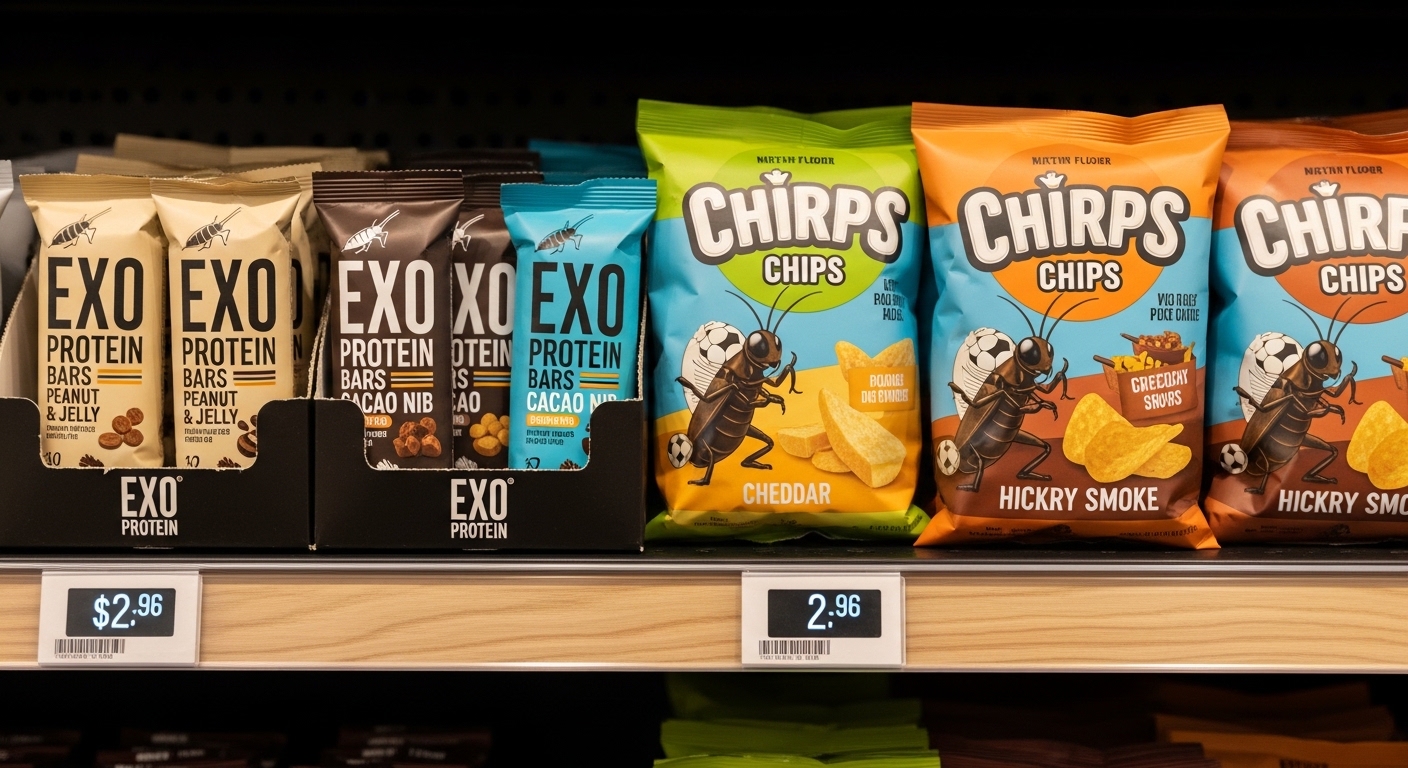
| EXO Protein | Prebiotic Protein Bars (multiple flavors) | Protein Bars | exoprotein.com, Amazon | Yes — primary protein source |
| Chirps Chips | Cheddar Tortilla-Style Cricket Chips | Savory Snacks | goodeggs.com, specialty retailers | Yes — listed as cricket flour |
| Actually Foods (by Entomo Farms) | White Cheddar Cheese Puffs | Savory Snacks | actuallyfoods.com | Yes — cricket protein |
| Human Improvement (formerly Crik Nutrition) | Performance Plant Protein Powder | Protein Powder | buyhi.com, Amazon | Yes — blended with plant proteins |
| 3 Cricketeers | Dark Chocolate Cricket Crunch Bar | Chocolate Snacks | 3cricketeers.com, Faire wholesale | Yes — whole cricket inclusions |
| Naak | Ultra Energy Bars and Cricket Protein Powder | Sports Nutrition | naak.com | Yes — Acheta powder |
| Entomo Farms | Pure Cricket Powder (bulk) | Baking Ingredient | entomofarms.com, Amazon | Yes — 100% cricket powder |
We verified these labels as of March 2026. Product formulations can change; always check the current ingredient list before purchasing.
How to Find It on Any Food Label
How do you identify hidden insect ingredients on any food label in the US?
Cricket flour is almost never listed as “cricket” on mainstream packaging. Manufacturers use scientific names, trademarked terms, and broad descriptors to reduce consumer friction — all of which are technically compliant with FDA ingredient labeling rules.
Here are every name and term to look for:
- Acheta powder
- Acheta protein
- Acheta domesticus (full scientific name)
- Cricket powder
- Cricket flour
- Cricket protein
- Insect protein
- Griopro® (trademark of All Things Bugs LLC)
- Sustainable protein blend (vague front-of-pack term — check the back panel)
- Manufactured-protein food product (regulatory language used in some state laws)
All Names for Cricket Flour on Labels
- Acheta powder
- Acheta protein
- Acheta domesticus
- Cricket powder
- Cricket flour
- Cricket protein
- Insect-protein
- Griopro®
The tricky tactic to know: Manufacturers frequently bury cricket flour midway down a long ingredient list, positioned after bulk commodities like corn, sunflower oil, or oat flour. In Chirps Cheddar Tortilla Chips, for example, cricket flour appears after stone-ground corn, high oleic sunflower oil, and navy beans. In protein bars, it often follows four or five conventional grain or nut flours. If you’re scanning quickly, you’ll miss it.
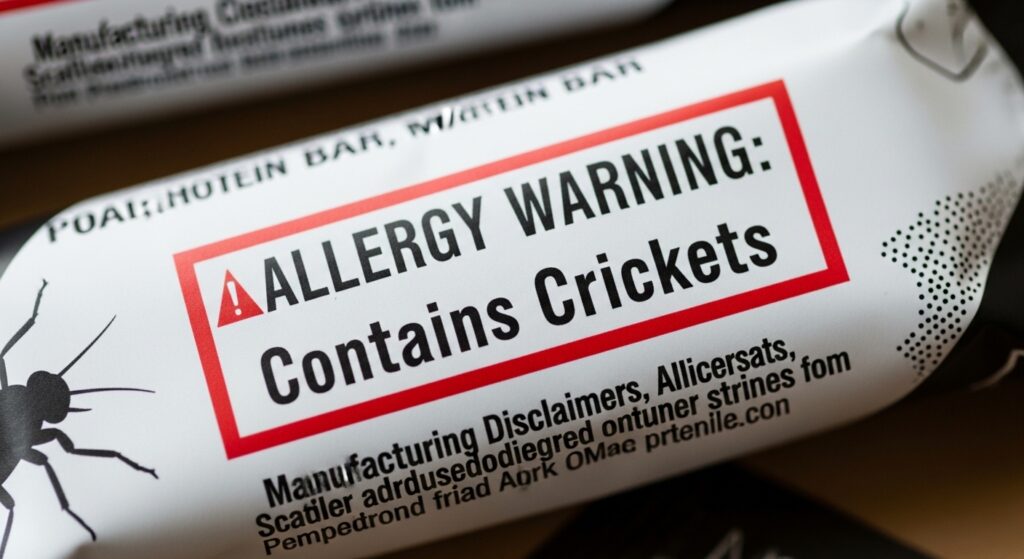
Most responsible brands add a bolded allergen note directly below the ingredient list — such as “Contains crickets. If you have a crustacean shellfish allergy, you may be sensitive to this product.” Look for it even if you don’t see it prominently on the front.
Who Should Be Most Concerned?
Who faces the highest health risk from eating foods with cricket protein?
For most healthy adults, cricket flour presents no documented toxicological hazard under normal consumption levels. But for specific groups, the risk picture changes significantly.
⚠️ WARNING Avoid cricket flour entirely if you have a diagnosed or suspected allergy to: shrimp, crab, lobster, mussels, squid, or any other crustaceans or mollusks. Cross-reactive allergens in cricket protein — particularly tropomyosin, arginine kinase, and the newly identified paramyosin — can trigger immune responses identical to shellfish anaphylaxis. Individuals with dust mite allergies face similar cross-reactivity risk. Consult an allergist before any exposure.
Secondary groups warranting extra caution:
Children and the elderly. Research published in Frontiers in Nutrition (2024) highlights that children’s developing immune systems and the gut permeability changes that occur with aging both increase the risk of absorbing intact allergenic proteins from insect-based foods. Reactions in these groups may be unpredictable and severe.
Pregnant women. Limited data exists on cricket consumption during pregnancy. Given the allergen complexity and the identification of novel allergens as recently as 2024, caution is appropriate until more human research is available.
Consumers with concentrated powder products. One 20-gram serving of pure cricket powder delivers roughly 13 grams of cricket-derived protein. A single 50-gram EXO bar delivers approximately 14 grams. Using cricket flour as a full baking substitute — as some recipes suggest — can result in unexpectedly high exposure for someone who assumed they were eating a small amount.
Cleaner Alternatives
What are the best protein alternatives that don’t contain cricket flour or insect ingredients?
If you’re avoiding cricket protein — whether for allergy reasons, regulatory uncertainty, or personal preference — the 2026 market offers strong options:
- Vital Proteins Collagen Peptides — unflavored, GRAS-certified, no novel food concerns; excellent for baking and beverages
- Orgain Organic Protein Powder (plant-based) — pea + brown rice + chia blend; Clean Label Project certified; widely available at Costco and Target
- IQBar Brain + Body Protein Bar — Clean Label Project certified for heavy metals; no insect ingredients; available on Amazon and at Whole Foods
- Happy Wolf Kids Protein Snack Bars — third-party tested, no novel proteins, targeted specifically at children; sold at Sprouts and online
- Bob’s Red Mill Whey Protein Powder — GRAS-certified, transparent sourcing, no alternative proteins; widely available at grocery chains nationwide
All five brands maintain conventional, established protein sources with long safety track records and no cross-reactivity risks associated with shellfish allergies.
Latest News — 2024 to 2026
What are the biggest regulatory and safety developments around cricket flour right now?
July 2024 — Allergen Testing Flaw Exposed Researchers at James Cook University in Australia published findings showing that commercial allergen test kits — the same kits used by food manufacturers to screen for cross-contamination — frequently fail to detect cricket-derived allergens. This study raised immediate liability concerns across the industry and prompted calls for updated testing standards.
Late 2024 — FDA GRAS Loophole Under Review A proposed FDA rule, under review by the Office of Management and Budget since late 2024, would require formal GRAS notifications for all novel substances currently operating under self-affirmed GRAS status. If enacted, this would force insect protein companies to undergo multi-year federal safety reviews before commercializing new products.
January 2026 — FDA’s Human Foods Program Priorities Released The FDA released its 2026 Human Foods Program priority deliverables, influenced by the MAHA Commission led by HHS Secretary Robert F. Kennedy Jr. The document explicitly targets self-affirmed GRAS practices — the legal mechanism that has allowed insect protein brands to enter the market without pre-market FDA approval.
October 2025 — California AB 1264 Signed into Law California became the first state to legally define “ultra-processed foods” and passed a phased ban on UPFs in public schools by 2035. Many insect-fortified protein snacks — formulated with emulsifiers and flavor enhancers to mask the flavor of cricket flour — fall within this definition, threatening a major distribution channel.
2025–2026 — State Labeling Laws Escalate Oklahoma (HB1126), Utah (HB138), and Wyoming (SF0084) all enacted laws restricting the terminology insect-based products can use, requiring prominent labeling, and mandating physical separation from traditional animal products on retail shelves. According to the National Agricultural Law Center, over 140 state-level bills targeting food additives were introduced in 2025 alone.
huhuly Verdict
Risk Level: Medium (Low for most; High for shellfish-allergic individuals) Found In: Protein bars, tortilla chips, snack puffs, protein powders, baking flours Label Names: Acheta powder, Acheta protein, Acheta domesticus, cricket powder, cricket flour, cricket protein, insect-protein, Griopro® Our Take: Cricket flour is nutritionally legitimate and not dangerous for most healthy adults with no shellfish or crustacean allergies.
The real concern is labeling opacity — it’s routinely buried under scientific names most shoppers don’t recognize. A 2024 allergen testing failure identified by James Cook University means even manufacturer safety checks may not catch the proteins that trigger shellfish-like reactions. If you have any crustacean or dust mite allergy, treat this ingredient as a hard avoid until standardized testing catches up with the science.
FAQ
Is cricket flour officially FDA approved for human consumption in the United States?
Cricket flour is not officially certified as GRAS (Generally Recognized As Safe) by the FDA. Companies currently market it under “self-affirmed” GRAS status, meaning they have conducted their own safety assessments without formal FDA review. The FDA has not issued a ban either, allowing legal sale as a dietary supplement or protein food ingredient. However, the FDA’s 2026 Human Foods Program priorities explicitly target this self-affirmation loophole, which may force formal pre-market reviews in the coming years.
What are the severe allergy risks of eating foods that contain Acheta powder?
The primary risk is cross-reactivity with crustacean shellfish allergies. Cricket protein contains tropomyosin and arginine kinase — the same pan-allergen proteins found in shrimp, crab, and lobster — that can trigger immune responses identical to shellfish anaphylaxis. A 2024 clinical study also identified paramyosin as a newly documented cricket allergen, discovered after participants with no prior food allergies developed acute allergic dermatitis. People with dust mite allergies face similar cross-reactive risk due to shared arthropod protein structures.
Which popular American protein bar brands use cricket protein in their products right now?
EXO Protein is currently the most prominent US brand using cricket flour as a primary protein source across its bar lineup. Naak also produces cricket protein bars and powders. Human Improvement (formerly Crik Nutrition) blends Acheta powder with plant proteins in its performance powder line. The 3 Cricketeers brand sells chocolate bars with whole cricket inclusions. Formulations can change, so always verify the current ingredient list on the brand’s website or the product packaging before purchasing.
How can I find hidden insect ingredients when reading a food label at the store?
Look beyond the word “cricket.” Manufacturers most commonly list it as “Acheta powder,” “Acheta protein,” or by the full scientific name “Acheta domesticus.” The trademarked term “Griopro®” also appears on some labels. Check the full ingredient list, not just the front-of-pack claims — cricket flour is frequently positioned mid-list, after bulk commodities like corn or oat flour. Also check the allergen statement below the ingredient list; responsible brands typically add a warning such as “Contains crickets.”
Why are food companies adding cricket flour to everyday American food products in 2026?
The business case rests on three factors. First, cricket farming is dramatically more resource-efficient than livestock — requiring roughly twelve times less feed than beef for equivalent protein output. Second, Acheta domesticus powder is a nutritionally complete protein that functions well as a food additive, improving texture in gluten-free products and boosting protein content without adding bulk. Third, ESG investment mandates have pushed significant capital into the insect protein sector, creating financial incentives for brands to reformulate existing products. According to IMARC Group, the US insect protein market is projected to grow at a CAGR of nearly 19%.
Three Things to Do Right Now
Cricket flour is in American food. It’s not illegal, it’s not being hidden with malicious intent, and for most people with no shellfish allergy history, it poses no documented health risk. But opacity in labeling is real, and the allergen testing gaps identified in 2024 are a legitimate concern that hasn’t been resolved.
Here’s what matters: learn the names (Acheta powder, Acheta domesticus, Griopro®), check the mid-list ingredient panel whenever you pick up a protein bar or specialty chip, and take the allergy warning block seriously if it appears. If you have a shellfish or dust mite allergy, treat cricket flour as a hard avoid until standardized allergen testing catches up.
Want us to flag new products as they hit shelves? Subscribe to the huhuly weekly label scan — we review new food products for hidden ingredients every week so you don’t have to.
Reviewed by the huhuly Editorial Team huhuly’s food transparency team reviews ingredient labels, monitors FDA regulatory updates, and tracks changes in US food manufacturing. All claims are verified against official brand ingredient lists and regulatory databases before publication. Last updated: March 2026 | Fact-checked: Yes | Sources: 14 cited
This article is for informational purposes only and does not constitute medical advice. Consult your healthcare provider before making dietary changes based on this information.
California Food Safety Act Additives: What’s Really Banned
More in Food News
You might also find these useful