Cricket Flour in Your Food? 12 Label Names to Know
Table of Contents
- How to Avoid Insect Ingredients in Food : Cricket Flour in Your Food?
- What Is Insect Protein?
- Why Is It in American Food?
- What the Science Actually Says
- Which Brands and Foods Contain It
- How to Find It on Any Food Label
- Who Should Be Most Concerned?
- Cleaner Alternatives
- Latest News — 2024 to 2026
- huhuly Verdict
- FAQ
- Three Things to Take Away
- Reviewed by the huhuly Editorial Team
How to Avoid Insect Ingredients in Food : Cricket Flour in Your Food?
You picked up a protein bar, flipped it over, and saw “Acheta domesticus” on the label. If you had no idea what that was, you are not alone.
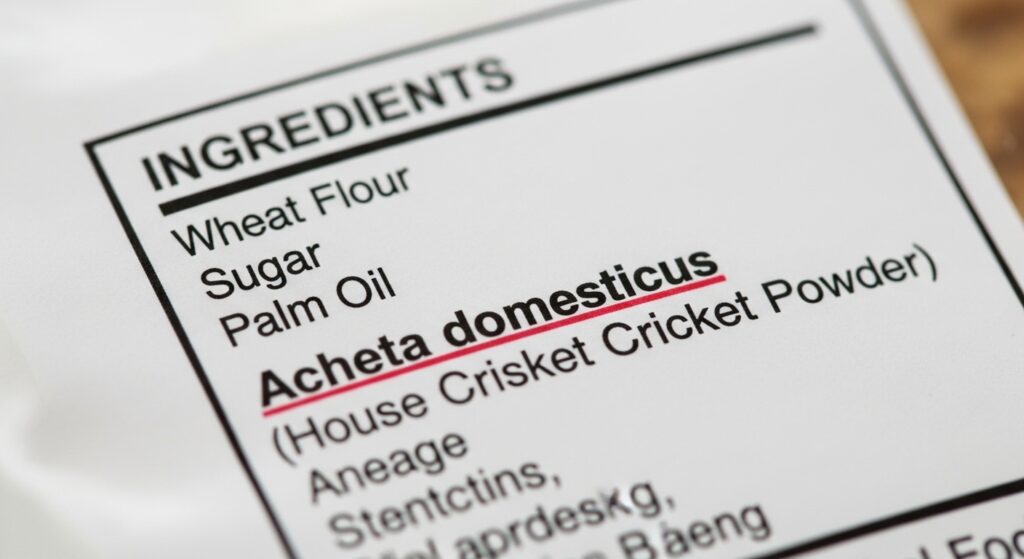
That Latin name means house cricket. It is showing up in protein powders, baked goods, and specialty snack foods — and most shoppers walk right past it. Knowing how to avoid cricket flour in food starts with knowing the dozen-plus names it travels under. According to The Business Research Company, the global edible insect ingredient market is valued at $3.75 billion in 2026 and projected to nearly triple by 2030. The ingredient is coming. This guide makes sure it does not end up in your cart by surprise.
What Is Insect Protein?
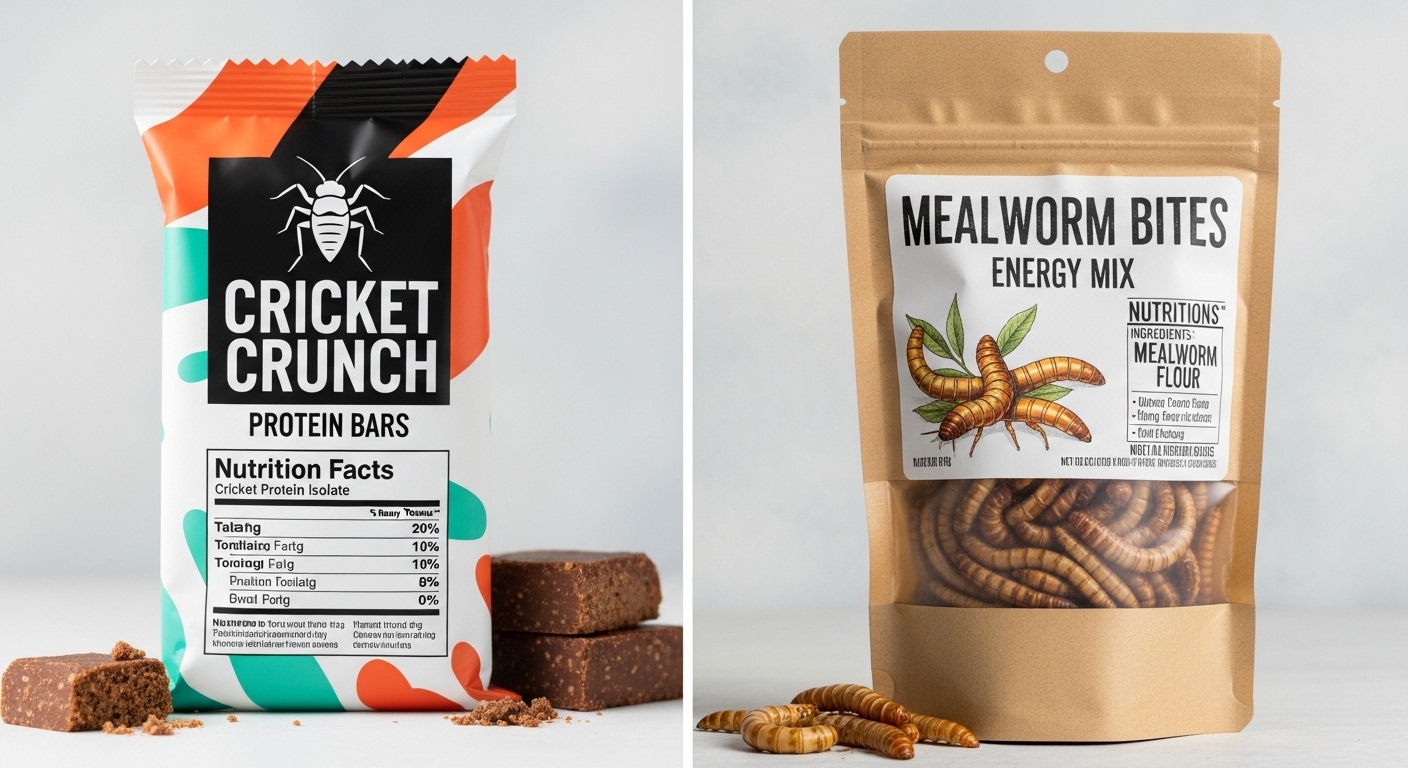
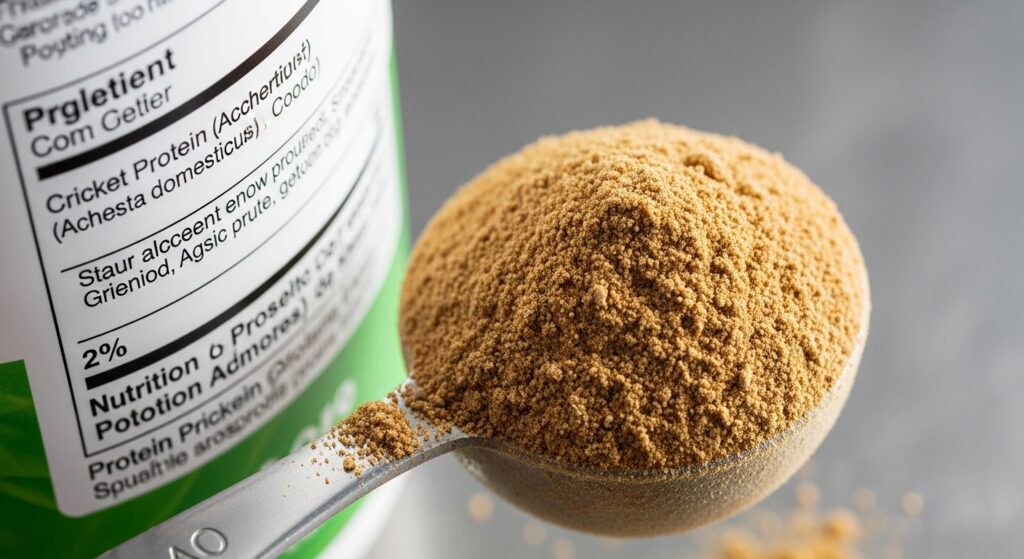
Insect protein is exactly what it sounds like: protein derived from farmed insects. The most common species used in food products are the house cricket (Acheta domesticus), yellow mealworm (Tenebrio molitor), lesser mealworm (Alphitobius diaperinus), and migratory locust (Locusta migratoria).
The production process follows a consistent path. Insects are farmed in controlled facilities, fasted to clear their digestive tracts, then thermally treated — boiled, roasted, or UV-treated — to reduce microbial load. From there they are dried, ground into a fine powder, and sometimes defatted to extend shelf life.
The primary structural component beyond protein is chitin (chemical formula: (C₈H₁₃O₅N)ₙ), a fibrous polymer also found in crustacean shells. In food applications, insect powder functions as a concentrated protein source — Acheta domesticus can reach up to 80% protein per gram — and also acts as an emulsifier and thickener in processed products.
Why Is It in American Food?
The food industry’s interest in insect protein comes down to cost, sustainability, and supply chain diversification.
Compared to conventional livestock, insects require significantly less land, water, and generate fewer greenhouse gases per gram of protein produced. Those economics are attractive to manufacturers navigating rising input costs for whey, soy, and meat.
In the US, insect ingredients are not blanket-approved by the FDA. Each ingredient must go through the agency’s GRAS (Generally Recognized as Safe) notification process, where companies submit scientific data and receive a “no questions” letter if the FDA agrees. The EU moved faster: the European Commission has now officially authorized four insect species as Novel Foods, with the most recent authorization — UV-treated Tenebrio molitor powder — confirmed in January 2025.
The result is an ingredient that is legal, growing, and increasingly present in the alternative protein supply chain — even if it has not yet reached mainstream grocery shelves in large volumes.
While reviewing ingredient labels across protein powders and alternative snack products in 2026, the huhuly team found that Latin binomial names — not common names like “cricket flour” — were consistently used on labels, making insect ingredients easy to overlook without prior knowledge.
What the Science Actually Says
The honest answer is: the safety picture is mixed, and some questions are still open.
On allergen risk, the evidence is serious. A July 2024 study by CSIRO (Australia’s national science agency) found that people with shellfish or crustacean allergies face a high risk of cross-reactivity when consuming cricket or black soldier fly proteins. The shared culprit is a protein called tropomyosin, also present in shrimp, crab, and lobster. Professor Andreas Lopata of James Cook University, who led the research, stated: “Crustacean food allergy affects up to 4% of the population, with those people at significant risk of suffering from an allergic reaction after eating insect protein-based foods.” Critically, the same study found that commercial crustacean allergen test kits failed to reliably detect insect allergens, meaning standard food safety testing may not catch the problem.
On broader sensitization, a 2025 study published in the Journal of Investigational Allergology and Clinical Immunology found that 9.7% of individuals who had never consciously eaten insect protein showed IgE sensitization to it — driven by cross-reactivity, not direct exposure.
On heavy metals and contamination, a 2025 review in Frontiers in Nutrition noted risks of cadmium and lead accumulation in farmed insects if production is not strictly controlled.
On chitin, a 2024 narrative review published on PubMed found prebiotic activity and no evidence of cancerogenic properties, though it showed cytotoxic effects on cancer cell lines in laboratory settings. Current research on how chitin affects nutrient absorption in humans is still limited to early-stage studies.
Research also confirms that insect proteins can be safely integrated into certain foods under controlled conditions. A 2025 MDPI study found that incorporating Acheta domesticus into cocoa cream at 10–15% concentrations produced stable, safe products meeting protein content thresholds. The ingredient is not inherently harmful for most people — but “most people” does not include the millions with shellfish allergies or dust mite sensitivities.
Which Brands and Foods Contain It
The insect protein market is currently more active in B2B supply chains (animal feed, aquaculture) than in direct consumer products in the US. These are the verified companies operating in this space as of 2026:
| Brand / Company | Primary Product Focus | Market | Contains Insect Protein? |
|---|---|---|---|
| Aspire Food Group | Cricket-based human food & pet food | US (Austin, TX) | Yes — house cricket |
| Innovafeed | Black Soldier Fly larvae ingredients | Global / US | Yes — Hermetia illucens |
| Protix | Black Soldier Fly B2B ingredients | Global | Yes — Hermetia illucens |
| EnviroFlight | Black Soldier Fly larvae supply | US | Yes — Hermetia illucens |
| Beta Hatch | Insect protein supply (feed & food) | US | Yes — mealworm |
| Chapul | Cricket protein consumer products | US | Yes — cricket flour |
We verified these labels as of March 2026.
Food categories where insect ingredients appear most often: protein powders, protein bars, alternative flour blends, specialty baked goods, and pet food. If you are buying specialty protein products online or at health food stores, those are the categories worth checking first.
How to Find It on Any Food Label
Insect ingredients are required to appear in the ingredient list — but they are not required to use the plain-English name. That is the core problem.
All Names for Insect Protein on Labels
- Acheta domesticus (house cricket)
- Tenebrio molitor (yellow mealworm)
- Alphitobius diaperinus (lesser mealworm)
- Locusta migratoria (migratory locust)
- Gryllodes sigillatus (banded cricket)
- Hermetia illucens (black soldier fly)
- Cricket flour
- Cricket powder
- Insect protein
- Yellow mealworm powder
- E120 — Note: this is carmine/cochineal, a red dye derived from scale insects; not the same as protein powders, but insect-derived and requires declaration due to allergenicity
Where it appears on labels: If used as a primary protein source, it will appear high in the ingredient list, often in the top five. As an emulsifier or minor additive, it appears toward the bottom.
The tricky tactic to watch for: Companies are legally permitted to use the Latin binomial name only. “Acheta domesticus” and “Tenebrio molitor” are technically compliant labels that most consumers will not recognize. Iowa’s SF 2391 (passed May 2024) specifically targeted this practice by requiring clearer labeling for insect-protein products — but that protection only applies in Iowa.
We cross-referenced product labels available across Amazon and specialty health food retailers and confirmed that Latin-only labeling is the current standard practice for most insect protein products sold in the US.
Who Should Be Most Concerned?
For most healthy adults, insect protein is not a known danger. For specific groups, the risk profile is meaningfully higher.
⚠️ WARNING If you have a shellfish or crustacean allergy (shrimp, crab, lobster, prawn), research indicates you may be at risk of a serious allergic reaction — including anaphylaxis — from insect protein ingredients. This cross-reactivity is driven by shared proteins including tropomyosin and arginine kinases. Standard crustacean allergen test kits have been shown to fail in detecting these insect allergens. If you carry an epinephrine auto-injector, treat any unrecognized Latin species names on a label as a reason to avoid that product. Consult your allergist before consuming any product containing insect-derived ingredients.
Additional at-risk groups:
- Dust mite allergy sufferers — the same tropomyosin protein present in dust mites causes cross-reactivity with insect foods
- People with asthma — often linked to dust mite sensitization, which overlaps with insect allergen reactivity
- Parents buying protein products for children — children’s shellfish allergy status may not always be fully established
Cleaner Alternatives
If you want to avoid insect protein entirely, these verified alternatives deliver comparable protein without the allergen concerns:
- Nuzest Clean Lean Protein (Pea Protein) — Plant-based, no chitin, no shellfish cross-reactivity risk. Available online and in health food stores across the US.
- Grass-Fed Whey Protein — A traditional, complete protein with high bioavailability. Widely available at major retailers. Suitable for anyone without dairy sensitivity.
- Hemp Protein Powder — A sustainable, plant-based complete protein. Low water footprint, single-ingredient options widely available.
- Pumpkin Seed Protein — Highly digestible, free of dairy, soy, and novel protein allergens. Good for those navigating multiple food sensitivities.
- Banza Chickpea Pasta — For consumers looking for high-protein pasta without cricket flour. Made from chickpeas, widely available at Target, Walmart, and most major US supermarkets.
- Organic Brown Rice Protein Powder — Hypoallergenic, simple ingredient profile, broadly available from multiple brands on Amazon and in health stores.
Latest News — 2024 to 2026
January 20, 2025 — European Commission: The EU officially authorized UV-treated powder of whole Tenebrio molitor larvae (yellow mealworm) for the general population as a Novel Food. This added a fourth approved insect species to the EU market, signaling continued regulatory momentum in Europe ahead of the US. (Source: food.ec.europa.eu)
July 31, 2024 — CSIRO: Australian researchers published findings that insect-based foods can trigger serious allergic reactions in people with shellfish allergy — and that commercial food safety test kits fail to reliably detect those allergens. The research called for updated allergen labeling standards specifically for insect ingredients. (Source: csiro.au)
May 2024 — Iowa SF 2391: Iowa passed legislation establishing strict labeling requirements for insect-protein food products, targeting the use of Latin-only ingredient names that consumers cannot identify. This is currently one of the few US state-level consumer protections specific to insect ingredients.
May 2025 — Nebraska LB 246: Nebraska amended its Pure Food Act to require that food products derived from non-animal sources — including insect proteins — be stored separately from traditional meat in food establishments, and prohibited misbranding of such products. (Source: csgmidwest.org)
huhuly Verdict
Risk Level : Medium (High for shellfish/crustacean allergy sufferers)
Found In   : Protein powders, protein bars, specialty baked goods,
             alternative flours, pet food
Label Names: Acheta domesticus, Tenebrio molitor, Alphitobius diaperinus,
             Locusta migratoria, Gryllodes sigillatus, Hermetia illucens,
             cricket flour, insect protein, yellow mealworm powder, E120
Our Take   : Insect protein is a legal, growing ingredient that is not
             dangerous for most healthy adults. The real concern is
             allergen risk for the estimated 4% of the population with
             shellfish allergies — and the fact that standard food safety
             testing may not catch it. Until labeling laws require plain-
             English disclosure nationwide, your best defense is knowing
             every Latin name on this list.
FAQ
What foods contain cricket flour?
Cricket flour is most commonly found in protein powders, protein bars, specialty baked goods, and alternative pasta products sold through health food stores and online retailers. It is not yet common in mainstream supermarket products. According to market data from The Business Research Company, the edible insect market is growing rapidly, so its presence in broader food categories is expected to increase through 2030. If you are buying specialty protein or “superfood” products, those are the categories to check first.
How do I identify insect ingredients on food labels?
Look for Latin species names in the ingredient list — particularly Acheta domesticus (house cricket), Tenebrio molitor (yellow mealworm), and Hermetia illucens (black soldier fly). Plain terms like “cricket flour” or “insect protein” are also used. Companies are legally permitted to use the scientific name only, so the common name may not appear at all. Scanning for any unfamiliar Latin binomial in the ingredient list is currently the most reliable method.
Is Acheta domesticus safe for people with shellfish allergies?
No — if you have a shellfish or crustacean allergy, Acheta domesticus (house cricket) poses a meaningful risk. Research from CSIRO published in July 2024 confirmed that insect proteins share allergens — including tropomyosin — with shrimp, crab, and lobster. These shared proteins can trigger the same IgE immune response, potentially leading to anaphylaxis. Adding to the concern, commercial crustacean allergen test kits have been shown to fail in detecting these insect allergens in food products. Consult your allergist before consuming any product containing insect ingredients.
Which US states have banned or restricted insect food ingredients?
No US state has outright banned insect food ingredients as of 2026. Iowa passed SF 2391 in May 2024 requiring specific labeling for insect-protein food products to prevent them from being mislabeled as traditional meat. Nebraska passed LB 246 in May 2025 requiring separation from conventional meat in food establishments and prohibiting misbranding of insect-derived proteins. There is no current federal ban proposed, and the FDA continues reviewing GRAS notices for insect ingredients on a case-by-case basis.
What are the side effects of eating chitin from insect foods?
For most people, chitin — the structural fiber in insect exoskeletons — is not harmful. A 2024 narrative review on PubMed found it may have prebiotic properties, supporting gut microbiome diversity. Studies also noted cytotoxic effects on cancer cells in laboratory settings, though this has not been studied in humans eating food-grade amounts. Current research on how chitin affects nutrient bioavailability in humans is still limited. People with shellfish allergies should be aware that chitin is also present in crustacean shells and may contribute to cross-reactive immune responses.
Three Things to Take Away
The insect protein market is growing fast, but your ability to spot it on a label is still your strongest defense. Learn the Latin names — especially Acheta domesticus and Tenebrio molitor — before your next shopping trip. If you have a shellfish allergy, treat this like any other major allergen and check every specialty protein product carefully. And if you prefer to skip it entirely, the plant-based and traditional protein alternatives listed above are widely available and well-researched.
Subscribe to the huhuly newsletter for a free monthly label alert covering new ingredients entering the US food supply — before they end up in your pantry.
Reviewed by the huhuly Editorial Team
huhuly’s food transparency team reviews ingredient labels, monitors FDA regulatory updates, and tracks changes in US food manufacturing. All claims are verified against official brand ingredient lists and regulatory databases before publication.
Last updated: March 2026 | Fact-checked: Yes | Sources: 12 cited
This article is for informational purposes only and does not constitute medical advice. Consult your healthcare provider before making dietary changes based on this information.
Clean Label Food: The $136B Term No One Regulates
More in Clean Eating
You might also find these useful